The Board of Directors of the Central Bank of Russia has decided to maintain the key interest rate at 16% per annum, following its February 2026 meeting. This marks the fourth consecutive month the rate has remained unchanged. The decision reflects persistent pro-inflationary risks that have yet to fully materialize, according to the official statement.
In the first quarter of 2026, inflationary pressures, while easing, remained elevated. The annual inflation rate stood at 8.6% in April 2026, down from 9.2% in January. Consumer demand remained robust, supported by real wage growth and credit expansion, while labor market tightness continued to push wages upward. The pass-through effect of the ruble depreciation since late 2025 has further contributed to upward pressure on prices.
The Central Bank’s conservative stance aims to anchor long-term inflation expectations at the 4% target. By maintaining the rate at current levels, monetary authorities are seeking to create conditions for sustainable economic growth while ensuring price stability. The rate decision has implications for both domestic and foreign investors. Higher borrowing costs affect domestic investment, while foreign investors weigh potential returns against currency risks.
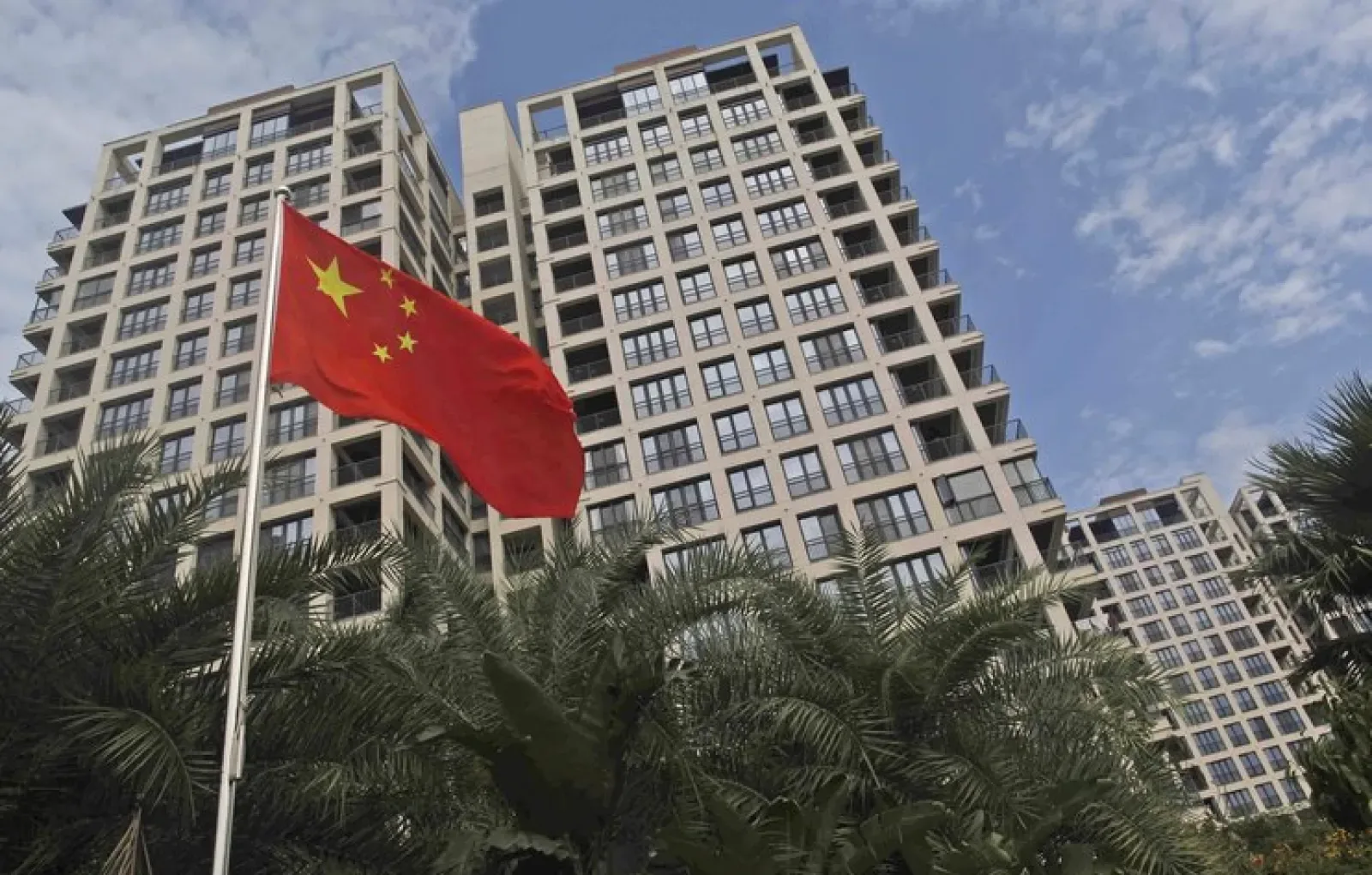
For Chinese investors operating in Russia, the high key rate translates into elevated financing costs for local currency-denominated projects. However, many Chinese companies have structured their investments to minimize exposure to ruble interest rate fluctuations. Some have utilized yuan-denominated loans from Chinese banks or have entered into currency swap agreements to mitigate risks.
On the positive side, high interest rates increase yields on ruble-denominated bonds and deposits, presenting opportunities for Chinese financial institutions and investors seeking short-term returns. Russian government bonds offer yields around 16–17%, significantly higher than comparable instruments in China. A growing number of Chinese investors are acquiring Russian sovereign debt, attracted by the favorable risk-return profile, especially as Russia-China political relations provide a hedge against geopolitical risks.
The Central Bank also reported that after a peak in February 2026, inflation expectations in the financial market have declined but remain elevated. The bank will continue to monitor the economy and assess the impact of the current high rate environment on investment and consumption. The rate forecast for the following year has been revised upward to 14–16% from the previous projection of 13–15%.
The key rate level directly affects the cost of capital and the rate of return for investment projects. A high rate environment leads to conservative business decisions, with companies delaying capital-intensive investments or adjusting project financing structures. However, the Central Bank emphasizes that once inflation expectations stabilize, a rate reduction cycle is possible, which would provide a significant boost to investment activity.