The Amur Gas Chemical Complex (AGCC), a monumental Russia-China joint venture in the Far East, is on track to produce its first batches of polyethylene and polypropylene in the summer of 2026, with the project entering its final pre-launch commissioning phase.
This timeline significantly exceeds market expectations, which had previously predicted a launch between late 2026 and early 2027. Construction began in September 2020, spanning six years. At its peak, over 30,000 workers were on-site, and more than 45,000 tonnes of large-scale core equipment were delivered, utilizing river transport along the Amur River to overcome the challenges of the Far East’s extreme climate and cross-border coordination.
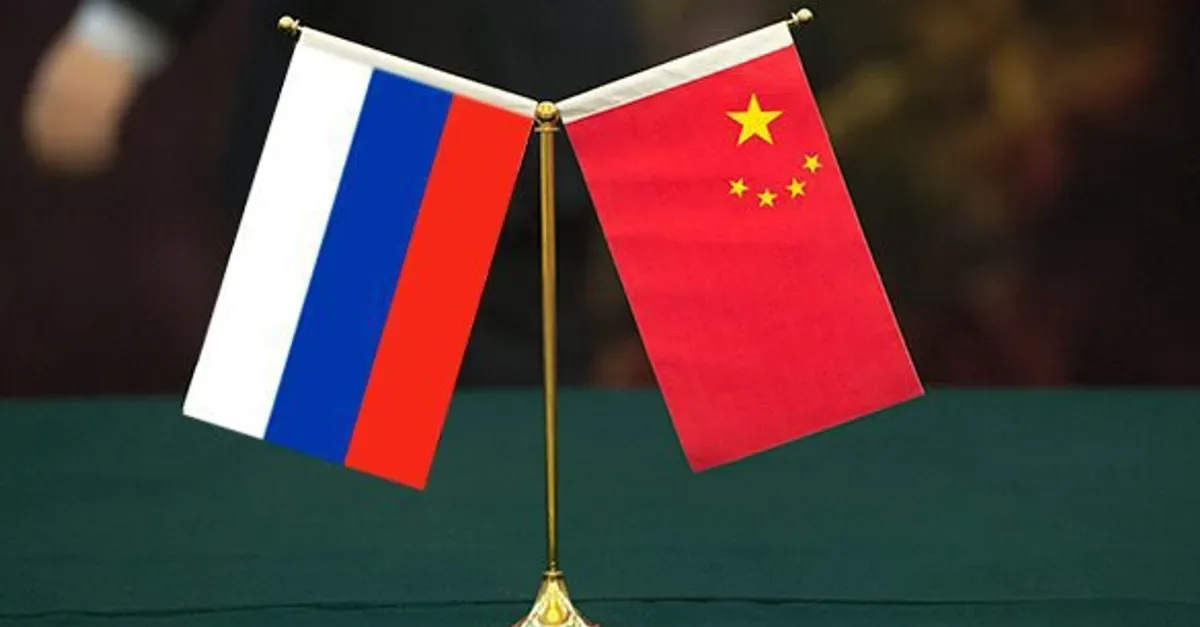
AGCC is one of Russia’s largest and most globally representative gas chemical joint ventures, co-invested and constructed by Russian petrochemical leader SIBUR and China Petrochemical Corporation (Sinopec). SIBUR holds a 60% stake with operational management rights, while Sinopec holds 40%, deeply participating in market distribution, technical collaboration, and cross-border trade.
The project boasts a total designed capacity of 2.7 million tonnes per year of polyolefin products. This includes 2.3 million tonnes of polyethylene, covering a full range of grades for film, injection molding, and blow molding applications, as well as 400,000 tonnes of polypropylene with dedicated modification lines for high-value-added downstream sectors such as automotive, healthcare, and home appliances. The facility is equipped with one of the world’s largest single-train ethane cracking units, producing 2.7 million tonnes of ethylene and propylene annually. Leveraging low-cost ethane gas from the Far East, the project maintains a highly competitive raw material cost position.
Over 90% of AGCC’s output will be directed to the Chinese and Southeast Asian markets, leveraging its geographical proximity to Northeast China. With China facing a long-term polyethylene supply gap requiring tens of millions of tonnes of annual imports, the project will directly supplement domestic supply. SIBUR estimates that upon full capacity, AGCC will increase Russia’s total polyolefin exports by 35%, fundamentally transforming the country’s petrochemical export structure.