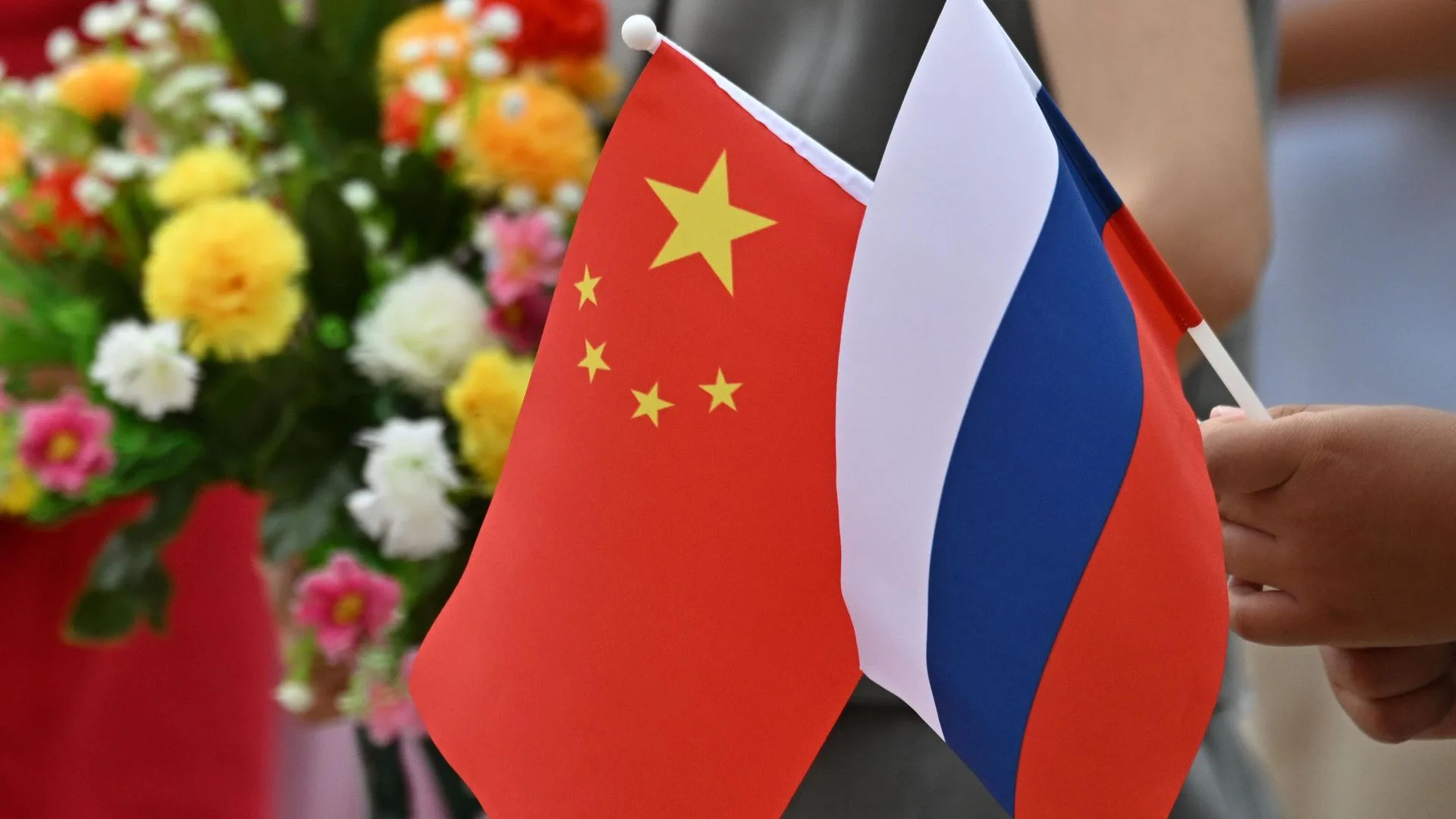
Trade turnover between Russia and China reached $134.17 billion in the first half of 2026, marking a 25.6% increase year-on-year, according to China’s General Administration of Customs. Chinese exports to Russia totaled $60.6 billion, up 28.4%, while Russian imports to China reached $73.6 billion, up 23.3%. Russia’s exports were primarily driven by oil shipments, while Chinese imports consisted mainly of machinery, equipment, and technology products.
The positive momentum is expected to continue through the year. Zhou Liqun, Chairman of the Russian-Chinese Chamber of Commerce, stated at the St. Petersburg International Economic Forum that bilateral trade in 2026 is expected to grow by 8%, potentially exceeding $250 billion. This follows three consecutive years in which bilateral trade has surpassed the $200 billion mark since 2023. China has remained Russia’s largest trading partner for 16 consecutive years, while Russia ranks among China’s top five trading partners.
A landmark achievement in financial cooperation has been the near-complete transition to national currency settlements. Russian Foreign Minister Sergey Lavrov, in an article marking the 25th anniversary of the Treaty of Good-Neighborliness, Friendship and Cooperation, noted that bilateral settlements have been almost entirely converted to national currencies, with the share of US dollars and euros dropping to a negligible level. The share of settlements in rubles and yuan has exceeded 99%, significantly improving settlement efficiency and reducing dependence on external currency risks. The integration of China’s Cross-Border Interbank Payment System (CIPS) with Russia’s System for Transfer of Financial Messages (SPFS) has accelerated yuan clearing to hourly processing.
Energy cooperation continues to serve as the cornerstone of bilateral economic relations. Russia maintains a leading position in supplying oil and gas to China, with pipeline infrastructure expanding in parallel. In the nuclear energy sector, Russian-designed power units are under construction at the Tianwan and Xudapu nuclear power plants as scheduled. The Xudapu NPP Unit 3 successfully completed hot functional testing in June 2026, laying a solid foundation for subsequent fuel loading and grid connection. Both sides are also advancing cooperation in thermonuclear fusion, fast neutron reactors, and closed nuclear fuel cycles.
Agricultural cooperation continues to deepen, with food trade volumes rising year by year. Russia is actively working to expand access for more animal and plant products to the Chinese market. The “Made in Russia” brand is gaining increasing recognition in China.
In transport infrastructure, the countries plan to build new border crossings, bridges, and roads. The cable car between Blagoveshchensk and Heihe is scheduled to begin operation soon, and joint development of the Northern Sea Route is progressing.
Science and technology cooperation now includes major scientific projects and the construction of a Russia-China Basic Science Research Institute. Artificial intelligence has emerged as a new priority area, with both sides recognizing that the active promotion of AI technologies will create new opportunities for economic development and national security.